Anchor Point Taghazout: the wave that put Morocco on the surf map
Anchor Point, Morocco's most famous right-hand point break. History, wave mechanics, level required, tides, local etiquette and global comparisons.
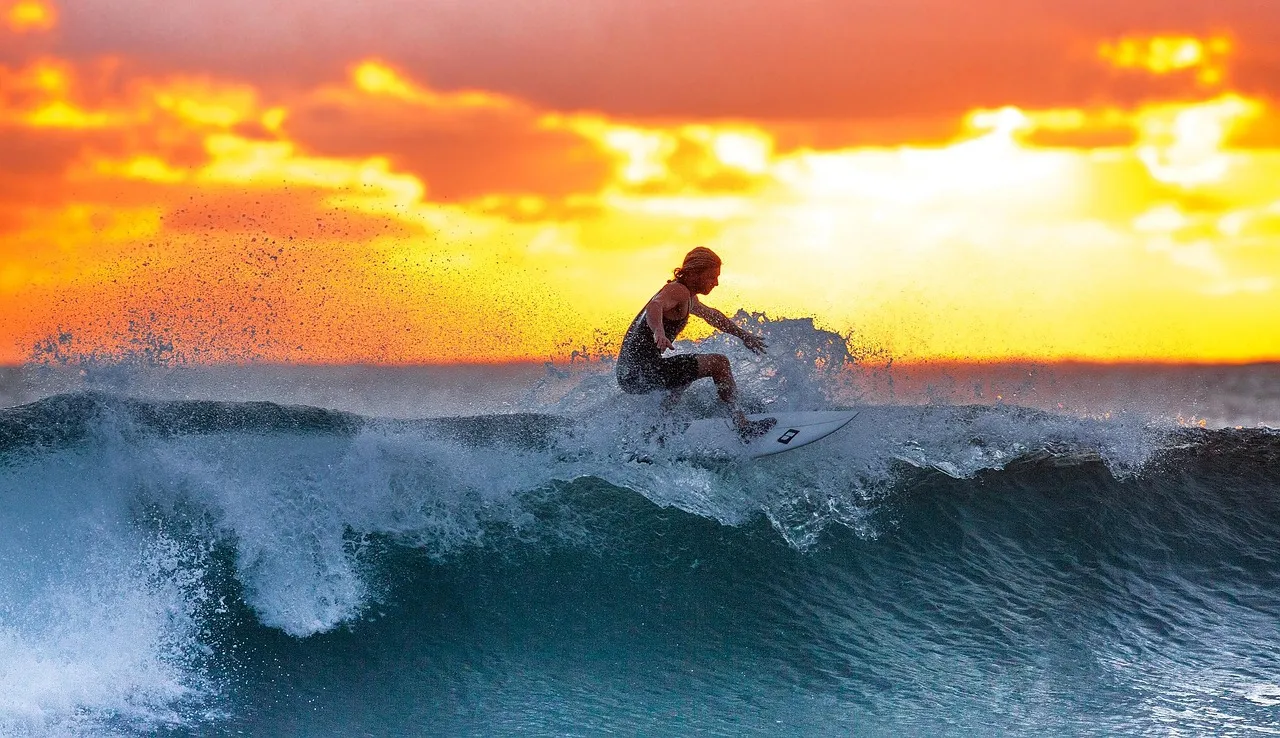
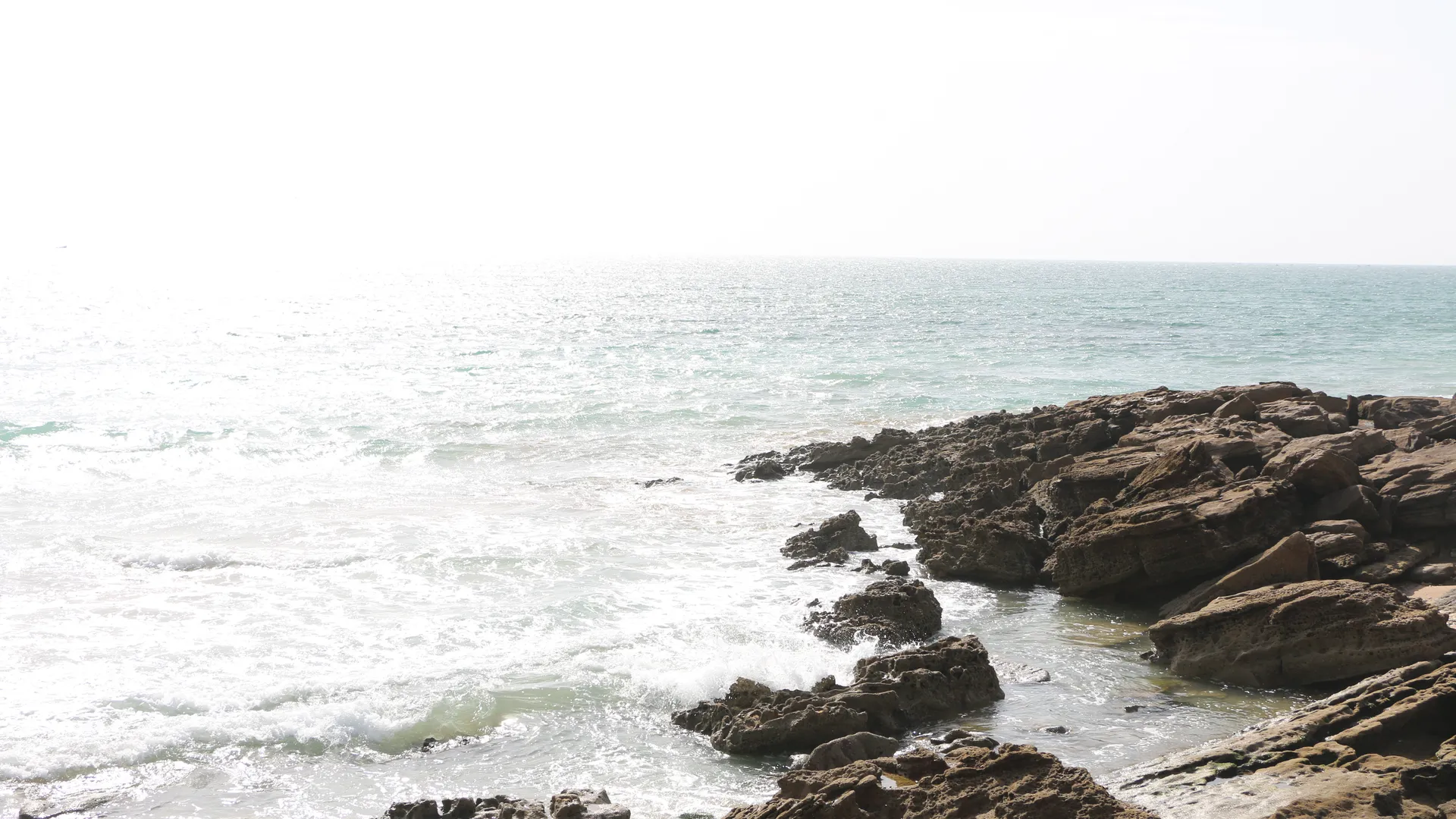
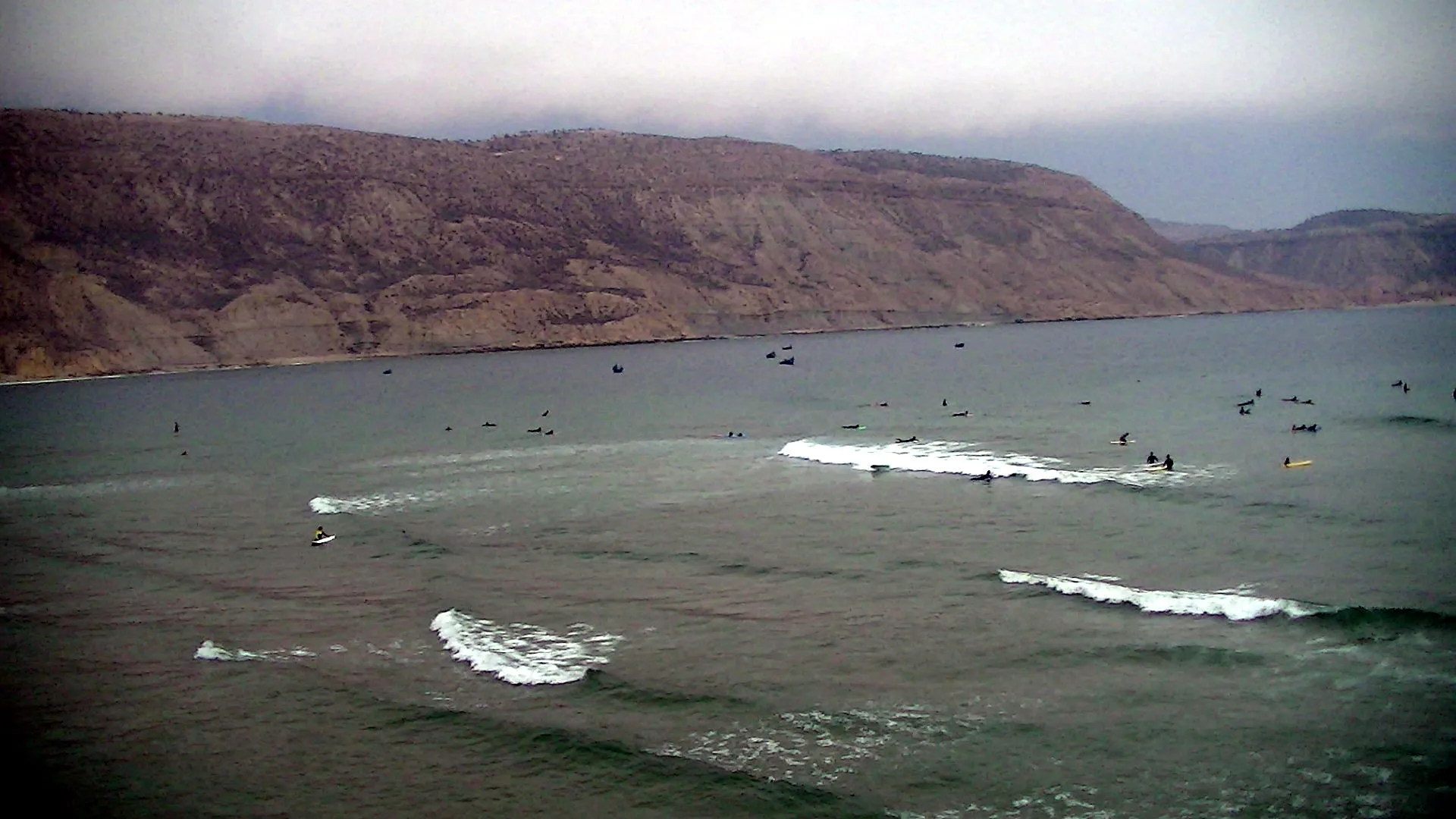
A kilometre and a half north of Taghazout village, Morocco’s Atlantic coast folds out into a long rocky headland that drops straight into the ocean. Along that headland — basalt, black pebbles, scattered shells — peels Anchor Point, the wave that introduced Morocco to the surfing world in the 1970s. It is not the biggest wave in North Africa, nor the hollowest, nor the rarest. It is, however, the longest reliable right-hander in the region — a wave that unwinds for 200 to 300 metres, sometimes more, on a readable wall that solid intermediates can ride all week without burning out.
This guide covers the history of the spot, the mechanics of the wave, the ideal conditions, the local etiquette, and how to position yourself to surf Anchor Point properly.
A short but dense history
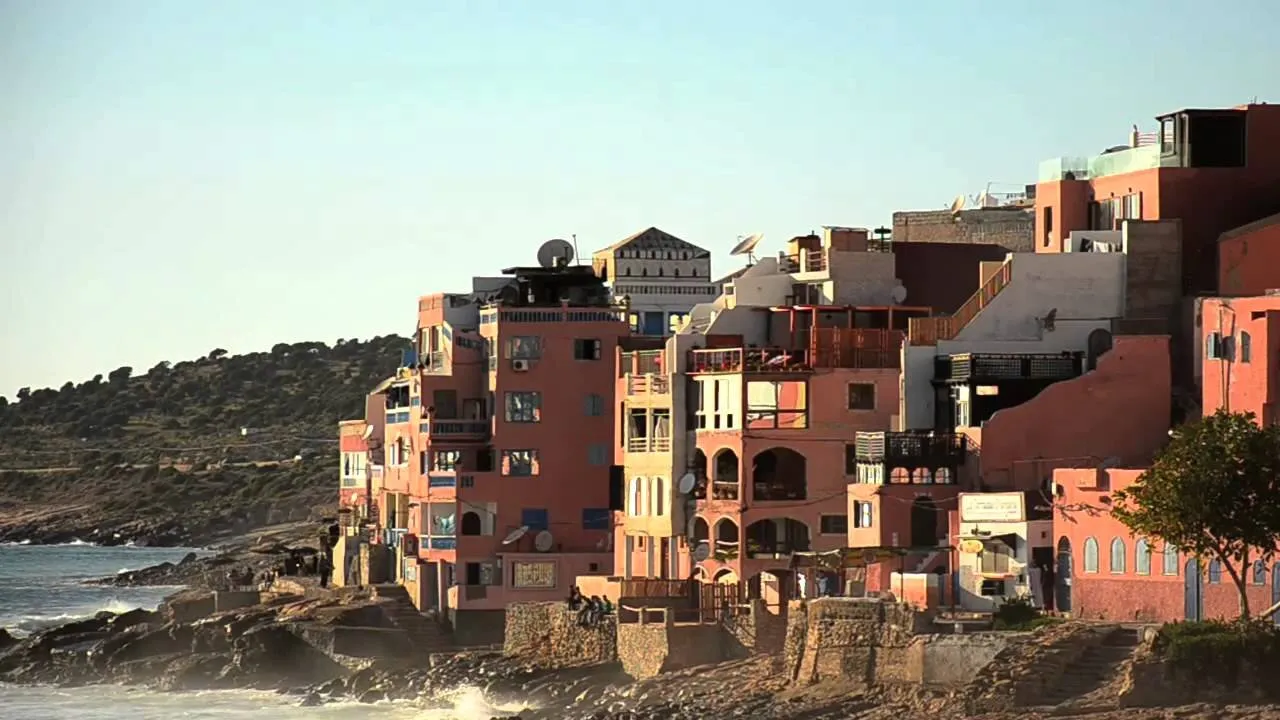
Before 1970, nobody surfed Anchor Point. The coast around Taghazout — back then little more than a fishing village — didn’t appear on any surf map. The first to venture out were Californian and Australian travellers headed for the Sahara, longboards strapped to the roofs of their Volkswagen vans. Among them was Frank Mocchi, a Californian generally credited with naming the spot. The story goes that he spotted, at low tide, several rusted anchors sticking up from the rocky bottom at the tip of the point — relics, it was assumed, of a 19th-century shipwreck. The name Anchor Point stuck.
By the 1980s the spot was appearing in European surf magazines — Surfer Mag, Surfing World — and the first steady wave of travelling surfers arrived. Taghazout itself stayed informal for years: tents on the beach, vans bivouacked by the headland, Berber families opening their homes for a few dirhams a night. It wasn’t until around 2000 that surf camps started to organise accommodation in any structured way.
Today, Anchor Point remains the name most closely tied to Moroccan surfing — a reference point in the history pages of the big magazines, and the first wave any European traveller comes looking for after landing in Agadir.
The mechanics of the wave
Anchor Point is a right-hand point break — a right-peeling wave that forms along a rocky headland. The mechanism is the same as the great points around the world (Jeffrey’s Bay, Bell’s Beach, Rincon):
- A west-north-west swell hits the point at an angle.
- The swell refracts around the rock and stands up progressively.
- The wave peels from the outside towards the inside, parallel to the coast, over a mixed bottom of rock, sand and pebbles that flattens out gradually.
- The final section (“the inside”) becomes hollower and faster before closing out into a shallow bowl.
A typical Anchor Point wave breaks down into three distinct sections:
- The take-off — over the tip of the point, in 2–4 metres of water. The most committed section and where priority is fought for.
- The open wall — 150–200 metres of clean wave wall where you can string together manoeuvres: bottom turn, top turn, cutback. This is the section that built Anchor’s reputation.
- The inside — 50–80 metres of faster, hollower wave over a rising bottom. A section for committed manoeuvres or for closing out.
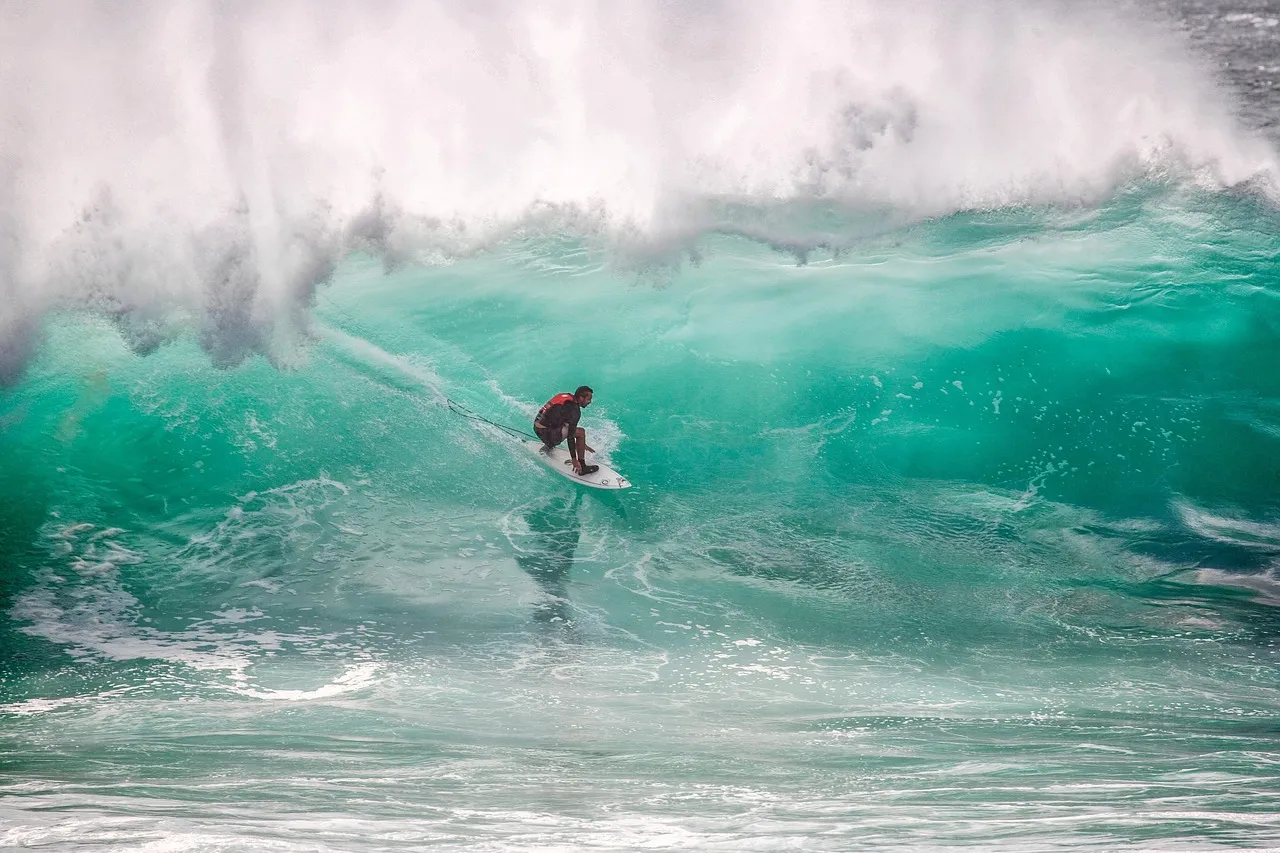
On good winter sets (2.5 m+ swell, light easterly offshore), a single wave can run for 30 to 45 seconds. For a surfer used to European beach breaks where a wave lasts 8–10 seconds, that’s a revolution for the legs.
The ideal conditions
| Variable | Working range | Optimum |
|---|---|---|
| Swell | 1.5–4 m | 2–3 m, west-north-west |
| Period | 10–15 s | 12–14 s |
| Wind | Light E (offshore) or none | E 5–10 kn |
| Tide | All tides work | Mid-tide pushing in |
| Season | September–April | November–February |
A few cues for reading the spot before paddling out:
- If the rocky point is completely submerged, the tide is high and the inside is more forgiving — a good moment for intermediates who feel less confident.
- If you can see exposed pebbles, the tide is low. The take-off is drier but the inside is rockier — for confident surfers only.
- If the wave closes out straight after the take-off, the swell is too perpendicular (pure west). Move on to Hash or Killer.
Local etiquette: what to know before your first paddle
Anchor Point runs on the universal point-break rule of priority to whoever is deepest at the peak. But with 80–120 surfers in the water on good swell days, reading that peak gets tense and a few local codes are worth knowing:
- Don’t drop in. Obvious in theory, regularly broken in practice. If a local is racing down the line towards you, kick out.
- The peak is shared among the regulars. Locals who have been surfing Anchor for 10–20 years hold de facto priority. Unwritten, but legible: they take the best waves of the set, you take the ones behind.
- No take-off on the shoulder. A wave already being ridden is not yours to drop into halfway down the wall.
- Greet the locals. Salam, ça va? on arrival at the peak opens doors. Moroccan surf culture is socially open; ignoring locals shuts it down.
- If the wave is overloaded, fall back on Hash Point (south) or Killer Point (north) — often less crowded on the same swell.
Anchor Point in the global point-break context
To place Anchor Point among the world’s great right-handers:
| Point break | Typical length | When to surf | Level |
|---|---|---|---|
| Jeffrey’s Bay (South Africa) | 400–600 m | June–September | Advanced–expert |
| Anchor Point (Morocco) | 200–300 m | November–February | Intermediate+ |
| Bell’s Beach (Australia) | 200–400 m | April–July | Advanced |
| Rincon (California) | 150–250 m | October–March | Intermediate+ |
| Pavones (Costa Rica) | 600–800 m | April–October | Advanced–expert |
Anchor Point isn’t the longest or the most powerful. Its real strength is consistency — one of the few world-class points that works almost every day in season, without demanding perfect timing on a narrow annual window.
Where to stay to surf Anchor Point
The spot is 1.5 km north of Taghazout village. Three accommodation radii to consider:
- Walking distance (Taghazout village) — 20 minutes on foot along the cliff path. Most of the village surf camps. Practical: instant access to restaurants and shops. See our overview guide to Morocco’s surf spots for the camp shortlist.
- On Anchor Point itself — a handful of surf houses have opened on the headland, 3 minutes’ walk from the spot. Premium pricing (€60–110 a night in a private room) but direct access in the morning with no transport.
- Tamraght (5 km south) — cheaper, calmer feel, Anchor in 5–7 minutes by car. See Tamraght: the surf-yoga village next door to Taghazout.
In short: what to take away
- Anchor Point is a right-hand point break 1.5 km north of Taghazout — the most consistent right-hander in Morocco.
- Solid intermediate at minimum. Not a beginner spot.
- Peak season: November–February, north-west swell 2–3 m, light easterly wind.
- Strict local etiquette: priority at the peak, respect for the regulars, no late take-offs.
- Rocky inside: take care at low tide.
- Pair it through the week with Imsouane (long, mellow right, accessible level) and Banana Beach at Tamraght (beach break for recovery sessions).
Anchor Point is a stop on the journey — for many European surfers, it’s the stop. But it’s also a wave that asks for patience and respect. Read it well and it pays back 30 seconds of pure muscle memory. Read it badly and it pays back bruises on the rocky inside and the frustration of having crossed three countries for nothing.
FAQ
- Why is the wave called Anchor Point?
- Because of the rusted anchors that once protruded from the rocky seabed at the tip of the point. Local legend says a sailing ship was wrecked here in the 19th century and left its anchors on the reef; the first Californian and Australian surfers of the 1970s — including Frank Mocchi, often credited with naming the spot — spotted them and the name stuck. The anchors are long gone, eroded or shifted by the sea, but the nickname remains.
- What level do you need to surf Anchor Point?
- Solid intermediate at minimum. The wave breaks over a shallow rocky bottom on the inside; the take-off demands sharp peak reading, strong paddling and real commitment. For a first Morocco trip at a lower level, aim instead for Hash Point (just to the south), Banana Beach in Tamraght, or the South Beach at Imsouane.
- How big can Anchor Point get?
- The wave works from around 1.5 m and holds shape up to 4 m. Beyond that it becomes inconsistent and most locals fall back on Killer Point (to the north), which handles bigger swells better. The most consistent window: north-west swell at 2–3 m with light easterly offshore winds in the morning — typically between November and February.
- How crowded does Anchor Point get in high season?
- Honest answer: very. On the best days of January and February, you can find 80–120 surfers at the peak — a mix of locals, European visitors on surf holidays and pupils with surf schools. Respecting priority is essential, otherwise sessions descend into chaos. If you can paddle out earlier (6am–8am) or later (4pm to sunset), the density drops by half.
- How do you get to Anchor Point from Taghazout village?
- 20 minutes on foot along the cliff path, 5–7 minutes by bike, 3 minutes by taxi (10 MAD). The path follows the cliffs, dropping down to the small beaches in between. Most Taghazout surf camps offer a free shuttle at session times.